Dungeon Master Assistance

Where anyone over 18 can share thoughts and ideas on RPGs.

Category Archives: Reference Material

D&D 5E – Poisons

poison

Poisons in D&D 5e explained

Although save or die poisons haven’t been in D&D since before the 3rd edition, I still regret the time I was running an adventure and a first level character encountered a poison spider. He failed his save and died. Not fun. D&D 5e has really simplified the use of poisons. No more initial and secondary damage. No more ability damage. No onset time. No multiple saves (I was always forgetting to require the second saving throw a few minutes later for secondary damage). And, of course, no save or die.

I am sure there will be more about poison when the Dungeon Master’s Guide comes out, but for now here is my attempt to remove some of the confusion about poisons in the current, fifth edition of Dungeons and Dragons.  [As expected, the Dungeon Master’s Guide contains additional information regarding poisons. Starting on page 257 it describes the four different types of poisons (contact, ingested, inhaled and injury). It also has a list of 14 different sample poisons with their descriptions and prices. It also has information on purchasing poison and on crafting and harvesting poison.]

Using Poison

The only poison listed in the Player’s Handbook is basic poison. You can buy a vile for 100gp. You can coat one slashing or piercing weapon or up to three pieces of ammunition with it. Applying the poison takes an action. A creature hit by the poisoned weapon or ammunition must make a DC 10 Constitution saving throw or take 1d4 poison damage. Once applied, the poison retains potency for 1 minute before drying.

The description doesn’t say that the poison wipes off when you hit a creature with it, so you can continue doing damage for 1 minute after it is applied. Plenty of time for the typical encounter. The poison damage is in addition to any other damage the weapon would normally inflict. The creature hit by this poison takes poison damage but doesn’t become poisoned (see below).

Unlike previous editions, the Player’s Handbook doesn’t say that using poison is an evil act. So it is up to the DM to decide. Perhaps some types of poison are more evil than others?

Some poisons do hit point damage, some give you the poisoned condition, and some do both.

Taking poison damage

Poison damage is hit point damage, the type of damage is poison. Most poisons allow a Constitution saving throw to avoid any poison damage [basic poison and poison spray spell for example], but some don’t allow a saving throw [like basilisk poison]. Still others do poison damage on failed save, or half as much damage on a successful save [like the cloudkill spell or dragon breath].

Becoming poisoned

Although a failed saving throw is not always required to receive poison damage, you must always fail your Constitution saving throw to become poisoned. When the description says you “become poisoned” it means that you will have the poisoned condition, which gives you disadvantage on attack rolls and ability checks.

The poison description will indicate how long this condition will last. The weakest last only until the start of your next turn. Others last until end of your next turn, or for 1 minute or for 24 hours. Some last until saved against and allow you to attempt a saving throw each round. The most powerful last until removed by the lesser restoration spell or similar magic.

On a successful saving throw against some creature’s poison, you are immune to this creature’s poison for 24 hours

Additional conditions

While the poison condition is in effect, different poisons may also impose one or more additional conditions (sometimes the additional conditions are only in effect if the saving throw fails by 5 or more). The additional condition might be Paralyzed, Incapacitated or Unconscious. For the Unconscious condition, some poisons allow another creature to use an action to shake the target awake. Although awake, he would still have the poison condition. Another effect could be that you can take either an action or a bonus action on your turn, not both, and you can’t take reactions. Other poisons have you take some amount of poison damage at the start of each turn, or not allow you to regain hit points while you are poisoned.

Diseases

Arguably, the worst poisons are those that leave you infected with a disease.

These allow a saving throw against disease or become poisoned until the disease is cured.

Here are the diseases listed in the Monster Manual:

GAS SPORE – Spores invade an infected creature’s system, killing the creature in a number of hours equal to 1d12 +the creature’s Constitution score, unless the disease is removed. In half that time, the creature becomes poisoned for the rest of the duration. After the creature dies, it sprouts 2d4 tiny gas spores that grow to full size in 7 days.

OTYUGH and DEATH DOG: Every 24 hours that elapse, the target must repeat the saving throw, reducing its hit point maximum by 5 (1d10) on a failure. The disease is cured on a success. The target dies if the disease reduces its hit point maximum to 0. This reduction to the target’s hit point maximum lasts until the disease is cured.

D&D 5E – Bounded Accuracy

This is my attempt to explain the term “bounded accuracy”.

bounded accuracy

Bounded accuracy is the term that WotC uses to represent a role playing game design concept. It is not a “rule” and you won’t find it in the Player’s Handbook, but it is the foundational design philosophy behind the core of 5 Edition D&D.

The “accuracy” part of the term refers to how hard it is to do something. For combat, this relates directly to armor class and bonuses to your attack roll.

The “bounded” part of the term refers to establishing upper limits.

 What are the limits?

There is a maximum Ability Score of 20, a maximum Difficulty Class of 30, and a maximum Armor Class of 30. There is a maximum Ability bonus of +5 and a maximum Proficiency Bonus of +6 making a maximum total bonus of +11 (resulting in a maximum score of 30 on a roll of 19.)

Also, there is typically no more than +1 on magic items, with +3 being the cap and representing things of artifact power. The game makes no assumption that you have magical enhancement bonuses on your weapons and armor.

This is all about the Core Mechanic: To resolve an action roll a 20-sided die and add modifiers. If the result is greater than or equal to a target number then the action succeeds.

Regardless if this target number is a Difficulty Class (DC) or an Armor Class (AC), the concept is the same.

DC-or-AC Difficulty To Break Armor To Hit
5 Very Easy a glass bottle an inanimate object
10 Easy a wooden chair No Armor a badger
15 Medium a simple door Leather Armor* a troll
20 Hard a small chest Plate Armor** a dragon***
25 Very Hard a treasure chest a tarrasque
30 Nearly Impossible a masonry wall(1 ft. thick) a deity
*with shield and +2 Dex modifier **with shield ***Adult Red Dragon is AC 19

To explain the effects of bounded accuracy on the game, it can be illustrative to compare its effect on three different characters.

Let’s start with a typical commoner. We’ll call him Fred. Fred is average in every respect. All of his ability scores are average (10) and Fred has no proficiencies or special skills. The table above was designed with Fred in mind. If any task is hard for Fred, it has a DC of 20. Fred adds no modifiers to his d20 roll when he attempts a task.

Our second character is Norman. Norman is a first level Fighter. The highest modifier Norman could add to his d20 roll would be about +5 (Ability +3, Proficiency +2).

Our third character is Conan. Conan is a 20th level Fighter. The highest modifier Conan could add to his d20 roll would be about +11 (Ability +5, Proficiency +6).

All three characters attempt to do something “hard”. They all need a 20. Fred rolls a 20 and succeeds. Norman’s roll is only 15, but with his +5 modifier he also succeeds. Conan only rolls a 9, but with his +11 modifier, he succeeds. So this “hard” thing is hard for Fred, not so hard for Norman and it is easy for Conan. Being normal PCs, Norman and Conan are better at some things than they are at others. They do not have maximum ability scores in all of their abilities, and they are not proficient at everything. At some tasks, they may not have a better chance of success than Fred does. Conversely, not all Non-Player Characters (NPCs) are as “average” as Fred. At some tasks, a NPC may have an ability score that is higher than a PC and a larger proficiency bonus. So most tasks within reach of specialist also fall within the ability of a lucky novice.

Higher level characters and tougher monsters are that way because they can do more damage, more often, in more ways than lower level characters.

If you are new to D&D, this may all seem obvious, and hardly worth more than a passing glance. However, this is a break from some earlier versions of the game. In some earlier versions, your PC’s “to hit” bonuses and Armor Class increased with each level and thus forced monster attacks/defenses to also increase with level. This resulted in lower level creatures being unable to have any possibility of hitting higher level PCs and visa-versa. This was done in the very reasonable goal of allowing higher level PCs to combat tougher monsters. D&D 5e accomplishes this goal, not by making tougher monsters harder to hit but by making them harder to defeat by giving them more hit points. So as PCs increase in level they do improve in their ability to hit higher armor classes (although at a much slower rate) but their ability to defeat tougher opponents comes mainly from their increased ability to inflict more damage when they do hit, and their increased capacity to survive stronger attacks due to their own increased number of hit points. So in this edition, characters can meaningfully interact with the same threats for most of their career, if they so choose. Lower level monsters will still be a threat at higher levels if they are encountered in larger numbers.

 This was described by Rodney Thompson in Legends & Lore (June 4th, 2012) on the Wizards of the Coast website. This is no longer available on their web site, so I quote from it here:

The basic premise behind the bounded accuracy system is simple: we make no assumptions on the DM’s side of the game that the player’s attack and spell accuracy, or their defenses, increase as a result of gaining levels. Instead, we represent the difference in characters of various levels primarily through their hit points, the amount of damage they deal, and the various new abilities they have gained. Characters can fight tougher monsters not because they can finally hit them, but because their damage is sufficient to take a significant chunk out of the monster’s hit points; likewise, the character can now stand up to a few hits from that monster without being killed easily, thanks to the character’s increased hit points. Furthermore, gaining levels grants the characters new capabilities, which go much farther toward making your character feel different than simple numerical increases.

Now, note that I said that we make no assumptions on the DM’s side of the game about increased accuracy and defenses. This does not mean that the players do not gain bonuses to accuracy and defenses. It does mean, however, that we do not need to make sure that characters advance on a set schedule, and we can let each class advance at its own appropriate pace. Thus, wizards don’t have to gain a +10 bonus to weapon attack rolls just for reaching a higher level in order to keep participating; if wizards never gain an accuracy bonus, they can still contribute just fine to the ongoing play experience.

This extends beyond simple attacks and damage. We also make the same assumptions about character ability modifiers and skill bonuses. Thus, our expected DCs do not scale automatically with level, and instead a DC is left to represent the fixed value of the difficulty of some task, not the difficulty of the task relative to level.


The link is back up on the Wizard’s site if you want to read Rodney Thompson’s comments in their entirety :  Legends & Lore Archive | 6/4/2012

D&D 5E – Quick Reference – Combat

Combat-main_FullThe combat rules for 5th Edition Dungeons and Dragons are much simpler than previous editions. This is a quick reference guide to the new rules. Refer to the complete rules (which can be downloaded for free here) for more detailed information. This is my own interpretation of those rules. Refer to the DM notes at the end for my house rules.

Each round represents 6 seconds in the game world. Anything a person could reasonably do in 6 seconds, your character can do in 1 round.

Each round, during your turn, you can move and take one action.

• You don’t have to move, but if you choose to, you can move a distance up to your speed. You can move before or after you take an action, or you can move first, take an action, and then move again, as long as the total distance moved doesn’t exceed your speed.
• You don’t have to take an action during your turn, but if you choose to, you can attempt to do anything that could be accomplished in 6 seconds or less. The most common action taken in combat is the attack action. See below for a list of actions that can be performed in combat.
• If your action permits multiple attacks, you can move between attacks so long as you haven’t used all of your move distance based on your speed.
• Your move can include jumping onto or off of things, jumping over things, climbing walls or ropes, swinging on ropes or chandeliers, or moving in any way that your character is capable of such as swimming or flying for example.

You can interact with one object as part of either your move or your action.

You can manipulate the object in an uncomplicated way. Some examples include:
•    Draw or sheath a weapon
•    Draw Two One-Handed Weapons [You can normally draw only 1 weapon for free on your turn. Dual Wielder lets you draw 2.]
•    Transfer an item from one hand to the other
•    Load a crossbow
•    Retrieve or put away a stored item*
•    Pick up an item
•    Move an object
•    Open a chest
•    Open a door
* You may only retrieve an item if it was stowed for easy access. If you must dig through your backpack to find something inside, it may require use of an action to retrieve it.
Doing more than one of these things requires the use of an action.

As part of your move or your action, you can do things that take little or no time and don’t interfere with your movement.

These activities take very little time, though there may be limits to the number you can perform in a turn. Examples include:
•    Drawing ammunition for use with a ranged weapon (such as arrows, bolts, sling bullets, or shuriken).
•    Dropping an item to your feet or within 5 feet of your current location.
•    Dropping to a prone position. (Standing up from prone, however, takes half of your movement for the turn.)
•    Speaking (you can always speak, even when it isn’t your turn – within reason.)

You may be able to take an additional, bonus action.

• A special ability, spell, or other feature of the game may allow you to do something as a bonus action. You are only allowed one bonus action in a round.
•    Example: If you have a short sword in one hand and dagger in the other, after using your action to attack with the sword, you can use a bonus action to attack with the dagger (refer to the rules on two-weapon fighting.)

You are allowed one reaction each round.

A reaction is an action that is triggered by an external event.

• A special ability, spell, or other feature of the game may allow you to react to a specific triggering event.
• If an opponent attempts to move past you or attacks you and then attempts to move away, you get a free swing at him. This is called an opportunity attack, and it is the most common reaction.
• Another example would be a wizard’s feather fall spell that is triggered when the wizard is pushed over a cliff, or steps into a pit trap.
• Your reaction does not have to occur during your turn, but can occur at any time during the round. If it occurs during another’s turn, his turn is suspended until your reaction is resolved.

Surprise

If surprised, you lose your turn for the first round of combat. After your turn, you are no longer surprised so you can use a reaction after your turn has passed, even during the remainder of the first round.

Actions in Combat

During your turn in a combat round, you can perform any one of the following actions.

Attack

You can make one melee or ranged attack. Some features may allow you to make more than one attack with this action.

Cast a Spell

You can cast any spell that you are capable of casting that has a listed casting time of one action.

Note regarding components: Retrieving the required material (M) component from a pocket or pouch is included in the “Cast a Spell” action. If the spell also has a somatic (S) component, you can perform the required hand gestures while holding the material component in that same hand. Therefore, if you are holding two weapons, or a weapon and a shield, at the beginning of your turn, you can sheath one weapon (refer to “interact with one object” above) and then draw the material component and cast the spell all in the same round. [A material component is not consumed with the casting of the spell, unless the spell description specifically says that it is.]

Dash

Rather than performing any other action, you spend the entire round moving. This allows you to move twice as far this round. It is effectively a double move action. [You use your dash action to move your speed then use your move to go that distance again.]

Disengage

If you start the round within 5 feet of an opponent that can see you, you can use this action to move away from him without provoking an opportunity attack. [The disengage action does not include a move. You use the disengage action to avoid an opportunity attack while you use your move to travel up to your speed.]

Dodge

This is a total defense action. You spend the round trying to avoid being hit. Until the start of your next turn, any attack roll made against you has disadvantage if you can see the attacker, and you make Dexterity saving throws with advantage.

Help

You can use your action to help an ally attack an opponent within 5 feet of you. You don’t make an attack yourself, but when your friend attacks, his first attack roll is made with advantage.
Or you can help him with any other task. If you are in position to do so, and your assistance could reasonably be seen to be of help, he will gain advantage on his ability check to accomplish the task.

Hide

The act of hiding requires an action to attempt. You must make a Dexterity (Stealth) check to see if you successfully hide from your opponents.
Additional information regarding the hide action here: Stealth and Hiding

Ready

Rather than taking and action during your turn, you wait for some specific event and then take your action as a reaction. You can still move up to the distance indicated by your move rate, but you can take no other action this round. You must specify two things –
1) What the triggering event will be.
This can be anything you think might happen that you can observe. If the event occurs before the start of your turn on the next round you can perform your readied action at that time. Some examples could be: If the sniper sticks his head up, If more Orcs come around the corner, If the rope brakes, If the water level rises, If the evil magic user starts to cast a spell, If the guard spots the thief, If the prisoner attempts to escape.
2) What action you will take.
This can be any of the combat actions.
Note that this action will be a reaction and you can only have one reaction per round. This means that if you take another reaction, you lose your readied action. Conversely, if you use your readied action you can have no other reactions this round.
• If the triggering event occurs, you can choose to not take your readied action.
• If you choose Dash as a readied action, you can move up to your move rate.
• If you choose Cast a Spell as a readied action, you cast the spell during your turn but hold off on releasing the energy of the spell until the triggering event occurs. You must concentrate to hold the spell’s energy. Anything that breaks your concentration before the final release of the spell’s energy results in the loss of the spell. If the triggering event doesn’t occur this round, you can continue to hold the spell with continued concentration into the following round, or you can cast it as an action on your next turn, or you can lose it.

Search

You can use your action to attempt to find something. The DM might require you to make a Wisdom (Perception) check or an Intelligence (Investigation) check.

Use an Object

An object may require an action for you to use it, or you may need to use this action to interact with more than one object in a round.

Improvised Action

There are many more things that a combatant could do during a round than can be accounted for in the above actions. When you want to attempt something that is not covered by any of the above actions, you can use an improvised action.

Examples of an improvised action:

“I want to pull the rug out from under that guy.”
“I want to jump on the monster and attack him with my sword while I ride on to his back.”
“I want to talk them into surrendering.”
“I want to break that flask the bad guy is holding.” (attack an object)
“I want to slide down the stairs on my shield while I fire arrows at the enemy.”
“I want to intimidate then into running away.”
“I want to grab that piece of folded parchment that is sticking out of his vest pocket.”
“I want to slide under the table and stab that guy in his ankle with my dagger.”
“I want to sheath my sword and walk up to that guy and tweak his nose.”
“I want to hit that rope with my arrow in such a way as to cut the rope and let the body that is hanging from it fall to the ground.”
“I want to disarm my opponent.” (This could be a called shot to the hand, shattering an opponent’s weapon, severing a spear shaft, entangling a sword arm, or using the flat of a blade to smack a weapon from an enemy’s hand.)
“I want to push him into the pit.” (Use the rules for “Shoving a Creature” – this could include shield bashes, tackles, bull rushes, overruns, tables hurled into enemies, doors smashed into opponents on the other side, and so on. Generally speaking, this could be any attempt to use brute strength to move an opponent. Any attempt to shove creatures off a nearby cliff, through a railing, out a chapel’s stained-glass window, and so on will allow the creature a dexterity save.)
“I want to trip that guy.” (This could be any attempt to knock an enemy off its feet. Whether it’s hooking an enemy’s leg, stabbing a kneecap, knocking an opponent off-balance, hurling an enemy away, sweeping an enemy’s legs, or some other maneuver, this improvised action would allow the warrior to knock an enemy prone.)

The following rules apply to improvised actions:
1. You must explain the improvised action to the DM. The DM may rule that what you want to do will require more than one round, or that it is simply impossible (you can’t fire an arrow into the sky and hit the moon). He may ask you to be more specific regarding the action you want to take and how the action will achieve the results you want.
2. The improvised action can also include all or part of your move. Successfully jumping on – or diving into a creature will give you advantage on the attack roll. A failed attempt results in your move stopping at the point there the attack takes place and may grant your opponent an advantage on his next attack against you.
3. To perform the improvised action the DM will normally have you make an ability check. The DM will assign an appropriate difficulty class and will explain possible consequences if the attempted action fails. For example, if you attempt to jump off of the balcony onto the monster in the center of the room and miss you may end up prone.

Most improvised actions can be resolved as simple contests.
Player: “I want to try to [describes some form of physical contest other than an attack roll].”
DM: “Okay, make a Strength (Athletics) check.”
DM compares result to opponent’s Strength (Athletics) or Dexterity (Acrobatics) check, perhaps giving someone advantage or disadvantage.

DM Notes: Some of the information above deviates somewhat from the official rules. You can consider these to be my House Rules.
Retrieving a stored Item – This should only be allowed as part of your move or action if you don’t have to dig through your backpack to find it.
Speaking – Should be allowed at any time
Disengage – I will only allow this action if you are currently engaged in combat and want to withdraw without provoking an opportunity attack.
Help – It only makes logical sense to be able to help another if there is some action that you could take that might possibly be of help to him.
Improvised action – I got rather wordy here, but I think these should be encouraged.

D&D 5E – Weight of Standard Equipment Packs

Nodwick

The Basic Rules for Dungeons and Dragons are available as a free pdf download from Wizards of the Coasts. If you don’t have yours yet they are available here. I am very excited about these and will post a full review later. For now, here is something I hope you will find helpful.

The rules for encumbrance is a variant. However, if you choose to use them it would help if the weight of the various equipment packs were listed in the D&D Basic Rules. I have added up the weight of each of the individual items in each pack and have listed them here. These weights assume a full waterskin, for the packs that contain one. You can subtract 5 lb. for an empty waterskin.

Just out of curiosity, I also added up the cost of the packs if the items were purchased separately. It turns out that most of them really are a bargain, so if you like most of the items they contain, you may as well go with a pack.

Burglar’s Pack (16 gp): Total Weight 46.5 lb (Over 21 gp. if purchased separately.)

Diplomat’s Pack (39 gp): Total Weight 46 lb (Slightly over 39 gp. if purchased separately.)

Dungeoneer’s Pack (12 gp): Total Weight 61.5 lb (Over 17 gp. if purchased separately.)

Entertainer’s Pack (40 gp): Total Weight 38 lb (Over 63 gp. if purchased separately.)

Explorer’s Pack (10 gp): Total Weight 59 lb (Same cost of 10 gp. if purchased separately.)

Priest’s Pack (19 gp): Total Weight 25 lb (Over 27 gp. if purchased separately.)
The Priest’s Pack contains items that are not listed for purchase separately. Here are the values I used.
alms box, [a well-made small wooden box about 1 gp and 1 lb.]
2 blocks of incense, [2 smaller blocks of cheap incense should cost about 1 gp, the weight is negligible]
censer, [a light weight brass censer and chain should be about the same as a holy symbol 5 gp 1 lb]
vestments, [Fine clothes cost 15 gp and weigh 6 lb. so we can use that]

Scholar’s Pack (40 gp): Total Weight 11 lb (Cost of a little over 40 gp. if purchased separately.)
This assumes a small knife cost 2 gold pieces and a little bag of sand is 1 lb.

//

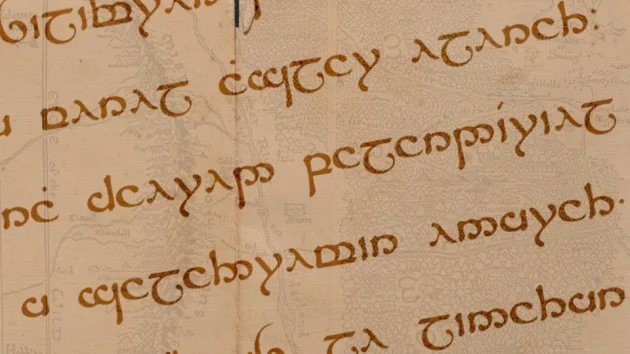
D&D – Languages

Language

Updated for 5th edition

Language Typical Speakers Script
Abyssal Demons, chaotic evil outsiders Infernal
Aquan Water-based creatures Elven
Auran Air-based creatures Draconic
Celestial Celestials (angels, devas) Celestial
Common Humans, halflings, half-elves, half-orcs Common
Deep Speech Mind flayers, beholders
Draconic Kobolds, troglodytes, lizardfolk, dragons, dragonborn Draconic
Druidic Druids (only) Druidic
Dwarvish Dwarves Dwarvish
Elvish Elves Elvish
Giant Ogres, giants Dwarvish
Gnomish Gnomes Dwarvish
Goblin Goblinoids, hobgoblins, bugbears Dwarvish
Gnoll Gnolls Common
Halfling Halflings Common
Ignan Fire-based creatures Draconic
Infernal Devils, Tieflings Infernal
Orc Orcs Dwarvish
Primordial Elementals Dwarvish
Sylvan Fey creatures (dryads, brownies, leprechauns) Elvish
Terran Xorns and other earth-based creatures Dwarven
Undercommon Drow, Underdark traders Elvish

Animals, Plants, Vermin, and Oozes typically do not have languages.

Constructs, Deathless, Undead, and Elementals are usually created and understand the language of their creator.

Aberrations are just freaky, and may or may not speak any known language.

This list isn’t intended to be a list of all D&D languages. For one thing, it doesn’t include all race-specific languages. The grell language, for example, is only spoken by the grell. One source says that other creatures cannot learn the grell language. There are a few other languages that are  race-specific, such as the Slaad. I will not attempt to keep this list updated with every monster in the multiverse that has their own race-specific language.

D&D 3.5 – Magic Items Prices

This is a reference for standard prices for magic items (D&D v3.5).

MAGIC ITEMS ON THE BODY
• One headband, hat, helmet, or phylactery on the head
• One pair of eye lenses or goggles on or over the eyes
• One amulet, brooch, medallion, necklace, periapt, or scarab around the neck
• One vest, vestment, or shirt on the torso
• One robe or suit of armor on the body (over a vest, vestment, or shirt)
• One belt around the waist (over a robe or suit of armor)
• One cloak, cape, or mantle around the shoulders (over a robe or suit of armor)
• One pair of bracers or bracelets on the arms or wrists
• One glove, pair of gloves, or pair of gauntlets on the hands
• One ring on each hand (or two rings on one hand)
• One pair of boots or shoes on the feet
Of course, a character may carry or possess as many items of the same type as he wishes. However, additional items beyond those listed above have no effect.

Table: Armor and Shields

Item Base Price
+1 shield 1,000 gp
+1 armor 1,000 gp
+2 shield 4,000 gp
+2 armor 4,000 gp
+3 shield 9,000 gp
+3 armor 9,000 gp
+4 shield 16,000 gp
+4 armor 16,000 gp
+5 shield 25,000 gp
+5 armor 25,000 gp


Table: Armor Type        

Armor Armor Cost1
Padded +155 gp
Leather +160 gp
Studded leather +175 gp
Chain shirt +250 gp
Hide +165 gp
Scale mail +200 gp
Chainmail +300 gp
Breastplate +350 gp
Splint mail +350 gp
Banded mail +400 gp
Half-plate +750 gp
Full plate +1,650 gp

1 Add to enhancement bonus on Table: Armor and Shields to determine total market price.
All magic armor is masterwork armor (with an armor check penalty 1 less than normal).


Table: Shield Type        

Shield Shield Cost1
Buckler +165 gp
Shield, light, wooden +153 gp
Shield, light, steel +159 gp
Shield, heavy, wooden +157 gp
Shield, heavy, steel +170 gp
Shield, tower +180 gp

1 Add to enhancement bonus on Table: Armor and Shields to determine total market price.
All magic shields are masterwork shields (with an armor check penalty 1 less than normal).

Table: Weapons        

Weapon Bonus Base Price1
+1 2,000 gp
+2 8,000 gp
+3 18,000 gp
+4 32,000 gp
+5 50,000 gp

1 This price is for 50 arrows, crossbow bolts, or sling bullets.


Table: Common Melee Weapons        

Weapon Weapon Cost1
Dagger +302 gp
Greataxe +320 gp
Greatsword +350 gp
Kama +302 gp
Longsword +315 gp
Mace, light +305 gp
Mace, heavy +312 gp
Nunchaku +302 gp
Quarterstaff2 +600 gp
Rapier +320 gp
Scimitar +315 gp
Shortspear +302 gp
Siangham +303 gp
Sword, bastard +335 gp
Sword, short +310 gp
Waraxe, dwarven +330 gp

1 Add to enhancement bonus on Table: Weapons to determine total market price.

Table: Uncommon Weapons        

Weapon Weapon Cost1
Axe, orc double2 +660 gp
Battleaxe +310 gp
Chain, spiked +325 gp
Club +300 gp
Crossbow, hand +400 gp
Crossbow, repeating +550 gp
Dagger, punching +302 gp
Falchion +375 gp
Flail, dire2 +690 gp
Flail, heavy +315 gp
Flail, light +308 gp
Gauntlet +302 gp
Gauntlet, spiked +305 gp
Glaive +308 gp
Greatclub +305 gp
Guisarme +309 gp
Halberd +310 gp
Halfspear +301 gp
Hammer, light +301 gp
Handaxe +306 gp
Lance +310 gp
Longspear +305 gp
Morningstar +308 gp
Net +320 gp
Pick, heavy +308 gp
Pick, light +304 gp
Ranseur +310 gp
Sap +301 gp
Scythe +318 gp
Shuriken +301 gp
Sickle +306 gp
Sword, two-bladed2 +700 gp
Trident +315 gp
Urgrosh, dwarven2 +650 gp
Warhammer +312 gp
Whip +301 gp

1 Add to enhancement bonus on Table: Weapons to determine total market price.

Table: Common Ranged Weapons        

Weapon Weapon Cost1
Arrows (50) +350 gp
Bolts, crossbow (50) +350 gp
Bullets, sling (50) +350 gp
Axe, throwing +308 gp
Crossbow, heavy +350 gp
Crossbow, light +335 gp
Dart +300 gp 5 sp
Javelin +301 gp
Shortbow +330 gp
Shortbow, composite (+0 Str bonus) +375 gp
Shortbow, composite (+1 Str bonus) +450 gp
Shortbow, composite (+2 Str bonus) +525 gp
Sling +300 gp
Longbow +375 gp
Longbow, composite +400 gp
Longbow, composite (+1 Str bonus) +500 gp
Longbow, composite (+2 Str bonus) +600 gp
Longbow, composite (+3 Str bonus) +700 gp
Longbow, composite (+4 Str bonus) +800 gp

1 Add to enhancement bonus on Table: Weapons to determine total market price.
All magic weapons are masterwork weapons.

Table: Potions and Oils        

Potion or Oil Market Price
Cure light wounds (potion) 50 gp
Endure elements (potion) 50 gp
Hide from animals (potion) 50 gp
Hide from undead (potion) 50 gp
Jump (potion) 50 gp
Mage armor (potion) 50 gp
Magic fang (potion) 50 gp
Magic stone (oil) 50 gp
Magic weapon (oil) 50 gp
Pass without trace (potion) 50 gp
Protection from (alignment) (potion) 50 gp
Remove fear (potion) 50 gp
Sanctuary (potion) 50 gp
Shield of faith +2 (potion) 50 gp
Shillelagh (oil) 50 gp
Bless weapon (oil) 100 gp
Enlarge person (potion) 250 gp
Reduce person (potion) 250 gp
Aid (potion) 300 gp
Barkskin +2 (potion) 300 gp
Bear’s endurance (potion) 300 gp
Blur (potion) 300 gp
Bull’s strength (potion) 300 gp
Cat’s grace (potion) 300 gp
Cure moderate wounds (potion) 300 gp
Darkness (oil) 300 gp
Darkvision (potion) 300 gp
Delay poison (potion) 300 gp
Eagle’s splendor (potion) 300 gp
Fox’s cunning (potion) 300 gp
Invisibility (potion or oil) 300 gp
Lesser restoration (potion) 300 gp
Levitate (potion or oil) 300 gp
Misdirection (potion) 300 gp
Owl’s wisdom (potion) 300 gp
Protection from arrows 10/magic (potion) 300 gp
Remove paralysis (potion) 300 gp
Resist energy (type) 10 (potion) 300 gp
Shield of faith +3 (potion) 300 gp
Spider climb (potion) 300 gp
Undetectable alignment (potion) 300 gp
Barkskin +3 (potion) 600 gp
Shield of faith +4 (potion) 600 gp
Resist energy (type) 20 (potion) 700 gp
Cure serious wounds (potion) 750 gp
Daylight (oil) 750 gp
Displacement (potion) 750 gp
Flame arrow (oil) 750 gp
Fly (potion) 750 gp
Gaseous form (potion) 750 gp
Greater magic fang +1 (potion) 750 gp
Greater magic weapon +1 (oil) 750 gp
Haste (potion) 750 gp
Heroism (potion) 750 gp
Keen edge (oil) 750 gp
Magic circle against (alignment) (potion) 750 gp
Magic vestment +1 (oil) 750 gp
Neutralize poison (potion) 750 gp
Nondetection (potion) 750 gp
Protection from energy (type) (potion) 750 gp
Rage (potion) 750 gp
Remove blindness/deafness (potion) 750 gp
Remove curse (potion) 750 gp
Remove disease (potion) 750 gp
Tongues (potion) 750 gp
Water breathing (potion) 750 gp
Water walk (potion) 750 gp
Barkskin +4 (potion) 900 gp
Shield of faith +5 (potion) 900 gp
Good hope (potion) 1,050 gp
Resist energy (type) 30 (potion) 1,100 gp
Barkskin +5 (potion) 1,200 gp
Greater magic fang +2 (potion) 1,200 gp
Greater magic weapon +2 (oil) 1,200 gp
Magic vestment +2 (oil) 1,200 gp
Protection from arrows 15/magic (potion) 1,500 gp
Greater magic fang +3 (potion) 1,800 gp
Greater magic weapon +3 (oil) 1,800 gp
Magic vestment +3 (oil) 1,800 gp
Greater magic fang +4 (potion) 2,400 gp
Greater magic weapon +4 (oil) 2,400 gp
Magic vestment +4 (oil) 2,400 gp
Greater magic fang +5 (potion) 3,000 gp
Greater magic weapon +5 (oil) 3,000 gp
Magic vestment +5 (oil) 3,000 gp


Table: Rings        

Ring Market Price
Protection +1 2,000 gp
Feather falling 2,200 gp
Sustenance 2,500 gp
Climbing 2,500 gp
Jumping 2,500 gp
Swimming 2,500 gp
Counterspells 4,000 gp
Mind shielding 8,000 gp
Protection +2 8,000 gp
Force shield 8,500 gp
Ram 8,600 gp
Climbing, improved 10,000 gp
Jumping, improved 10,000 gp
Swimming, improved 10,000 gp
Animal friendship 10,800 gp
Energy resistance, minor 12,000 gp
Chameleon power 12,700 gp
Water walking 15,000 gp
Protection +3 18,000 gp
Spell storing, minor 18,000 gp
Invisibility 20,000 gp
Wizardry (I) 20,000 gp
Evasion 25,000 gp
X-ray vision 25,000 gp
Blinking 27,000 gp
Energy resistance, major 28,000 gp
Protection +4 32,000 gp
Wizardry (II) 40,000 gp
Freedom of movement 40,000 gp

Table: Rods        

Rod Market Price
Metamagic, Enlarge, lesser 3,000 gp
Metamagic, Extend, lesser 3,000 gp
Metamagic, Silent, lesser 3,000 gp
Immovable 5,000 gp
Metamagic, Empower, lesser 9,000 gp
Metal and mineral detection 10,500 gp
Cancellation 11,000 gp
Metamagic, Enlarge 11,000 gp
Metamagic, Extend 11,000 gp
Metamagic, Silent 11,000 gp
Wonder 12,000 gp
Python 13,000 gp
Metamagic, Maximize, lesser 14,000 gp
Flame extinguishing 15,000 gp
Viper 19,000 gp
Enemy detection 23,500 gp
Metamagic, Enlarge, greater 24,500 gp
Metamagic, Extend, greater 24,500 gp
Metamagic, Silent, greater 24,500 gp
Splendor 25,000 gp
Withering 25,000 gp
Metamagic, Empower 32,500 gp
Thunder and lightning 33,000 gp
Metamagic, Quicken, lesser 35,000 gp


Scrolls:

To activate a scroll, a spellcaster must read the spell written on it. Doing so involves several steps and conditions.

Decipher the Writing: The writing on a scroll must be deciphered before a character can use it or know exactly what spell it contains. This requires a read magic spell or a successful Spellcraft check (DC 20 + spell level).
Deciphering a scroll to determine its contents does not activate its magic unless it is a specially prepared cursed scroll. A character can decipher the writing on a scroll in advance so that he or she can proceed directly to the next step when the time comes to use the scroll.

Activate the Spell: Activating a scroll requires reading the spell from the scroll. The character must be able to see and read the writing on the scroll. Activating a scroll spell requires no material components or focus. (The creator of the scroll provided these when scribing the scroll.) Note that some spells are effective only when cast on an item or items. In such a case, the scroll user must provide the item when activating the spell. Activating a scroll spell is subject to disruption just as casting a normally prepared spell would be. Using a scroll is like casting a spell for purposes of arcane spell failure chance.
To have any chance of activating a scroll spell, the scroll user must meet the following requirements.
• The spell must be of the correct type (arcane or divine). Arcane spellcasters (wizards, sorcerers, and bards) can only use scrolls containing arcane spells, and divine spellcasters (clerics, druids, paladins, and rangers) can only use scrolls containing divine spells. (The type of scroll a character creates is also determined by his or her class.)
• The user must have the spell on his or her class list.
• The user must have the requisite ability score.
If the user meets all the requirements noted above, and her caster level is at least equal to the spell’s caster level, she can automatically activate the spell without a check. If she meets all three requirements but her own caster level is lower than the scroll spell’s caster level, then she has to make a caster level check (DC = scroll’s caster level + 1) to cast the spell successfully. If she fails, she must make a DC 5 Wisdom check to avoid a mishap (see Scroll Mishaps, below). A natural roll of 1 always fails, whatever the modifiers.

Determine Effect: A spell successfully activated from a scroll works exactly like a spell prepared and cast the normal way. Assume the scroll spell’s caster level is always the minimum level required to cast the spell for the character who scribed the scroll (usually twice the spell’s level, minus 1), unless the caster specifically desires otherwise.
The writing for an activated spell disappears from the scroll.

Scroll Mishaps: When a mishap occurs, the spell on the scroll has a reversed or harmful effect. Possible mishaps are given below.
• A surge of uncontrolled magical energy deals 1d6 points of damage per spell level to the scroll user.
• Spell strikes the scroll user or an ally instead of the intended target, or a random target nearby if the scroll user was the intended recipient.
• Spell takes effect at some random location within spell range.
• Spell’s effect on the target is contrary to the spell’s normal effect.
• The scroll user suffers some minor but bizarre effect related to the spell in some way. Most such effects should last only as long as the original spell’s duration, or 2d10 minutes for instantaneous spells.
• Some innocuous item or items appear in the spell’s area.
• Spell has delayed effect. Sometime within the next 1d12 hours, the spell activates. If the scroll user was the intended recipient, the spell takes effect normally. If the user was not the intended recipient, the spell goes off in the general direction of the original recipient or target, up to the spell’s maximum range, if the target has moved away.

Table: Arcane Spell Scrolls
0-Level Arcane Spells        

Spell Market Price
acid splash 12 gp 5 sp
arcane mark 12 gp 5 sp
dancing lights 12 gp 5 sp
daze 12 gp 5 sp
detect magic 12 gp 5 sp
detect poison 12 gp 5 sp
disrupt undead 12 gp 5 sp
flare 12 gp 5 sp
ghost sound 12 gp 5 sp
know direction 12 gp 5 sp
light 12 gp 5 sp
lullaby 12 gp 5 sp
mage hand 12 gp 5 sp
mending 12 gp 5 sp
message 12 gp 5 sp
open/close 12 gp 5 sp
prestidigitation 12 gp 5 sp
ray of frost 12 gp 5 sp
read magic 12 gp 5 sp
resistance 12 gp 5 sp
summon instrument 12 gp 5 sp
touch of fatigue 12 gp 5 sp

1st-Level Arcane Spells        

Spell Market Price
alarm 25 gp
animate rope 25 gp
burning hands 25 gp
cause fear 25 gp
charm person 25 gp
chill touch 25 gp
color spray 25 gp
comprehend languages 25 gp
confusion, lesser 50 gp
cure light wounds 50 gp
detect secret doors 25 gp
detect undead 25 gp
disguise self 25 gp
endure elements 25 gp
enlarge person 25 gp
erase 25 gp
expeditious retreat 25 gp
feather fall 25 gp
grease 25 gp
hold portal 25 gp
hypnotism 25 gp
identify 125 gp
jump 25 gp
mage armor 25 gp
magic missile 25 gp
magic weapon 25 gp
mount 25 gp
magic aura 25 gp
obscuring mist 25 gp
protection from chaos/evil/good/law 25 gp
ray of enfeeblement 25 gp
reduce person 25 gp
remove fear 50 gp
shield 25 gp
shocking grasp 25 gp
silent image 25 gp
sleep 25 gp
summon monster I 25 gp
floating disk 25 gp
true strike 25 gp
undetectable alignment 50 gp
unseen servant 25 gp
ventriloquism 25 gp

2nd-Level Arcane Spells        

Spell Market Price
animal messenger 200 gp
animal trance 200 gp
arcane lock 175 gp
bear’s endurance 150 gp
blindness/deafness 150 gp
blur 150 gp
bull’s strength 150 gp
calm emotions 200 gp
cat’s grace 150 gp
command undead 150 gp
continual flame 200 gp
cure moderate wounds 200 gp
darkness 150 gp
darkvision 150 gp
daze monster 150 gp
delay poison 200 gp
detect thoughts 150 gp
disguise self 150 gp
eagle’s splendor 150 gp
enthrall 200 gp
false life 150 gp
flaming sphere 150 gp
fog cloud 150 gp
fox’s cunning 150 gp
ghoul touch 150 gp
glitterdust 150 gp
gust of wind 150 gp
hypnotic pattern 150 gp
invisibility 150 gp
knock 150 gp
phantom trap 200 gp
levitate 150 gp
locate object 150 gp
magic mouth 160 gp
acid arrow 150 gp
minor image 150 gp
mirror image 150 gp
misdirection 150 gp
obscure object 150 gp
owl’s wisdom 150 gp
protection from arrows 150 gp
pyrotechnics 150 gp
resist energy 150 gp
rope trick 150 gp
scare 150 gp
scorching ray 150 gp
see invisibility 150 gp
shatter 150 gp
silence 200 gp
sound burst 200 gp
spectral hand 150 gp
spider climb 150 gp
summon monster II 150 gp
summon swarm 150 gp
hideous laughter 150 gp
touch of idiocy 150 gp
web 150 gp
whispering wind 150 gp

3rd-Level Arcane Spells        

Spell Market Price
arcane sight 375 gp
blink 375 gp
clairaudience/clairvoyance 375 gp
cure serious wounds 525 gp
daylight 525 gp
deep slumber 375 gp
dispel magic 375 gp
displacement 375 gp
explosive runes 375 gp
fireball 375 gp
flame arrow 375 gp
fly 375 gp
gaseous form 375 gp
gentle repose 375 gp
glibness 525 gp
good hope 525 gp
halt undead 375 gp
haste 375 gp
heroism 375 gp
hold person 375 gp
illusory script 425 gp
invisibility sphere 375 gp
keen edge 375 gp
tiny hut 375 gp
lightning bolt 375 gp
magic circle against chaos/evil/good/law 375 gp
magic weapon, greater 375 gp
major image 375 gp
nondetection 425 gp
phantom steed 375 gp
protection from energy 375 gp
rage 375 gp
ray of exhaustion 375 gp
sculpt sound 525 gp
secret page 375 gp
sepia snake sigil 875 gp
shrink item 375 gp
sleet storm 375 gp
slow 375 gp
speak with animals 525 gp
stinking cloud 375 gp
suggestion 375 gp
summon monster III 375 gp
tongues 375 gp
vampiric touch 375 gp
water breathing 375 gp
wind wall 375 gp

4th-Level Arcane Spells        

Spell Market Price
animate dead 1,050 gp
arcane eye 700 gp
bestow curse 700 gp
charm monster 700 gp
confusion 700 gp
contagion 700 gp
crushing despair 700 gp
cure critical wounds 1,000 gp
detect scrying 700 gp
dimension door 700 gp
dimensional anchor 700 gp
enervation 700 gp
enlarge person, mass 700 gp
black tentacles 700 gp
fear 700 gp
fire shield 700 gp
fire trap 725 gp
freedom of movement 1,000 gp
geas, lesser 700 gp
globe of invulnerability, lesser 700 gp
hallucinatory terrain 700 gp
ice storm 700 gp
illusory wall 700 gp
invisibility, greater 700 gp
secure shelter 700 gp
locate creature 700 gp
minor creation 700 gp
modify memory 1,000 gp
neutralize poison 1,000 gp
resilient sphere 700 gp
phantasmal killer 700 gp
polymorph 700 gp
rainbow pattern 700 gp
mnemonic enhancer 700 gp
reduce person, mass 700 gp
remove curse 700 gp
repel vermin 1,000 gp
scrying 700 gp
shadow conjuration 700 gp
shout 700 gp
solid fog 700 gp
speak with plants 1,000 gp
stone shape 700 gp
stoneskin 950 gp
summon monster IV 700 gp
wall of fire 700 gp
wall of ice 700 gp
zone of silence 1,000 gp

5th-Level Arcane Spells        

Spell Market Price
animal growth 1,125 gp
baleful polymorph 1,125 gp
interposing hand 1,125 gp
blight 1,125 gp
break enchantment 1,125 gp
cloudkill 1,125 gp
cone of cold 1,125 gp
contact other plane 1,125 gp
cure light wounds, mass 1,625 gp
dismissal 1,125 gp
dispel magic, greater 1,625 gp
dominate person 1,125 gp
dream 1,125 gp
fabricate 1,125 gp
false vision 1,375 gp
feeblemind 1,125 gp
hold monster 1,125 gp
secret chest 1,125 gp
magic jar 1,125 gp
major creation 1,125 gp
mind fog 1,125 gp
mirage arcana 1,125 gp
mage’s faithful hound 1,125 gp
mage’s private sanctum 1,125 gp
nightmare 1,125 gp
overland flight 1,125 gp
passwall 1,125 gp
permanency 10,125 gp1
persistent image 1,125 gp
planar binding, lesser 1,125 gp
prying eyes 1,125 gp
telepathic bond 1,125 gp
seeming 1,125 gp
sending 1,125 gp
shadow evocation 1,125 gp
song of discord 1,625 gp
summon monster V 1,125 gp
symbol of pain 2,125 gp
symbol of sleep 2,125 gp
telekinesis 1,125 gp
teleport 1,125 gp
transmute mud to rock 1,125 gp
transmute rock to mud 1,125 gp
wall of force 1,125 gp
wall of stone 1,125 gp
waves of fatigue 1,125 gp

1 Includes experience point cost up to 2,000 XP.
6th-Level Arcane Spells        

Spell Market Price
acid fog 1,650 gp
analyze dweomer 1,650 gp
animate objects 2,400 gp
antimagic field 1,650 gp
bear’s endurance, mass 1,650 gp
forceful hand 1,650 gp
bull’s strength, mass 1,650 gp
cat’s grace, mass 1,650 gp
chain lightning 1,650 gp
circle of death 2,150 gp
contingency 1,650 gp
control water 1,650 gp
create undead 2,350 gp
cure moderate wounds, mass 2,400 gp
disintegrate 1,650 gp
dispel magic, greater 1,650 gp
eagle’s splendor, mass 1,650 gp
eyebite 1,650 gp
find the path 2,400 gp
flesh to stone 1,650 gp
fox’s cunning, mass 1,650 gp
geas/quest 1,650 gp
globe of invulnerability 1,650 gp
guards and wards 1,650 gp
heroes’ feast 2,400 gp
heroism, greater 1,650 gp
legend lore 1,900 gp
mislead 1,650 gp
mage’s lucubration 1,650 gp
move earth 1,650 gp
freezing sphere 1,650 gp
owl’s wisdom, mass 1,650 gp
permanent image 1,650 gp
planar binding 1,650 gp
programmed image 1,675 gp
repulsion 1,650 gp
shadow walk 1,650 gp
stone to flesh 1,650 gp
suggestion, mass 1,650 gp
summon monster VI 1,650 gp
symbol of fear 2,650 gp
symbol of persuasion 6,650 gp
sympathetic vibration 2,400 gp
transformation 1,950 gp
true seeing 1,900 gp
undeath to death 2,150 gp
veil 1,650 gp
wall of iron 1,700 gp

7th-Level Arcane Spells        

Spell Market Price
arcane sight, greater 2,275 gp
banishment 2,275 gp
grasping hand 2,275 gp
control undead 2,275 gp
control weather 2,275 gp
delayed blast fireball 2,275 gp
instant summons 3,275 gp
ethereal jaunt 2,275 gp
finger of death 2,275 gp
forcecage 23775 gp
hold person, mass 2,275 gp
insanity 2,275 gp
invisibility, mass 2,275 gp
limited wish 3,775 gp1
mage’s magnificent mansion 2,275 gp
mage’s sword 2,275 gp
phase door 2,275 gp
plane shift 2,275 gp
power word blind 2,275 gp
prismatic spray 2,275 gp
project image 2,280 gp
reverse gravity 2,275 gp
scrying, greater 2,275 gp
sequester 2,275 gp
shadow conjuration, greater 2,275 gp
simulacrum 7,275 gp2
spell turning 2,275 gp
statue 2,275 gp
summon monster VII 2,275 gp
symbol of stunning 7,275 gp
symbol of weakness 7,275 gp
teleport object 2,275 gp
teleport, greater 2,275 gp
vision 2,775 gp
waves of exhaustion 2,275 gp

1 Assumes no material component in excess of 1,000 gp and no XP cost in excess of 300 XP.
2 Assumes no XP cost in excess of 1,000 gp.
8th-Level Arcane Spells        

Spell Market Price
antipathy 3,000 gp
clenched fist 3,000 gp
binding 8,500 gp1
charm monster, mass 3,000 gp
clone 4,000 gp
create greater undead 3,000 gp
demand 3,600 gp
dimensional lock 3,000 gp
discern location 3,000 gp
horrid wilting 3,000 gp
incendiary cloud 3,000 gp
iron body 3,000 gp
maze 3,000 gp
mind blank 3,000 gp
moment of prescience 3,000 gp
telekinetic sphere 3,000 gp
irresistible dance 3,000 gp
planar binding, greater 3,000 gp
polar ray 3,000 gp
polymorph any object 3,000 gp
power word stun 3,000 gp
prismatic wall 3,000 gp
protection from spells 3,500 gp
prying eyes, greater 3,000 gp
scintillating pattern 3,000 gp
screen 3,000 gp
shadow evocation, greater 3,000 gp
shout, greater 3,000 gp
summon monster VIII 3,000 gp
sunburst 3,000 gp
symbol of death 8,000 gp
symbol of insanity 8,000 gp
sympathy 4,500 gp
temporal stasis 3,500 gp
trap the soul 13,000 gp1

1 Assumes a creature of 10 HD or less.
9th-Level Arcane Spells        

Spell Market Price
astral projection 4,870 gp
crushing hand 3,825 gp
dominate monster 3,825 gp
energy drain 3,825 gp
etherealness 3,825 gp
foresight 3,825 gp
freedom 3,825 gp
gate 8,825 gp
hold monster, mass 3,825 gp
imprisonment 3,825 gp
meteor swarm 3,825 gp
mage’s disjunction 3,825 gp
power word kill 3,825 gp
prismatic sphere 3,825 gp
refuge 3,825 gp
shades 3,825 gp
shapechange 3,825 gp
soul bind 3,825 gp
summon monster IX 3,825 gp
teleportation circle 4,825 gp
time stop 3,825 gp
wail of the banshee 3,825 gp
weird 3,825 gp
wish 28,825 gp1

1 Assumes no material component cost in excess of 10,000 gp and no XP cost in excess of 5,000 XP.

Table: Divine Spell Scrolls
0-Level Divine Spells        

Spell Market Price
create water 12 gp 5 sp
cure minor wounds 12 gp 5 sp
detect magic 12 gp 5 sp
detect poison 12 gp 5 sp
flare 12 gp 5 sp
guidance 12 gp 5 sp
inflict minor wounds 12 gp 5 sp
know direction 12 gp 5 sp
light 12 gp 5 sp
mending 12 gp 5 sp
purify food and drink 12 gp 5 sp
read magic 12 gp 5 sp
resistance 12 gp 5 sp
virtue 12 gp 5 sp

1st-Level Divine Spells        

Spell Market Price
alarm 100 gp
bane 25 gp
bless 25 gp
bless water 50 gp
bless weapon 100 gp
calm animals 25 gp
cause fear 25 gp
charm animal 25 gp
command 25 gp
comprehend languages 25 gp
cure light wounds 25 gp
curse water 50 gp
deathwatch 25 gp
detect animals or plants 25 gp
detect chaos/evil/good/law 25 gp
detect snares and pits 25 gp
detect undead 25 gp
divine favor 25 gp
doom 25 gp
endure elements 25 gp
entangle 25 gp
entropic shield 25 gp
faerie fire 25 gp
goodberry 25 gp
hide from animals 25 gp
hide from undead 25 gp
inflict light wounds 25 gp
jump 25 gp
longstrider 25 gp
magic fang 25 gp
magic stone 25 gp
magic weapon 25 gp
obscuring mist 25 gp
pass without trace 25 gp
produce flame 25 gp
protection from chaos/evil/good/law 25 gp
remove fear 25 gp
sanctuary 25 gp
shield of faith 25 gp
shillelagh 25 gp
speak with animals 25 gp
summon monster I 25 gp
summon nature’s ally I 25 gp

2nd-Level Divine Spells        

Spell Market Price
animal messenger 150 gp
animal trance 150 gp
augury 175 gp
barkskin 150 gp
bear’s endurance 150 gp
bull’s strength 150 gp
calm emotions 150 gp
cat’s grace 150 gp
chill metal 150 gp
consecrate 200 gp
cure moderate wounds 150 gp
darkness 150 gp
death knell 150 gp
delay poison 150 gp
desecrate 200 gp
eagle’s splendor 150 gp
enthrall 150 gp
find traps 150 gp
fire trap 175 gp
flame blade 150 gp
flaming sphere 150 gp
fog cloud 150 gp
gentle repose 150 gp
gust of wind 150 gp
heat metal 150 gp
hold animal 150 gp
hold person 150 gp
inflict moderate wounds 150 gp
make whole 150 gp
owl’s wisdom 150 gp
reduce animal 150 gp
remove paralysis 150 gp
resist energy 150 gp
restoration, lesser 150 gp
shatter 150 gp
shield other 150 gp
silence 150 gp
snare 150 gp
soften earth and stone 150 gp
sound burst 150 gp
speak with plants 150 gp
spider climb 150 gp
spiritual weapon 150 gp
status 150 gp
summon monster II 150 gp
summon nature’s ally II 150 gp
summon swarm 150 gp
tree shape 150 gp
undetectable alignment 150 gp
warp wood 150 gp
wood shape 150 gp
zone of truth 150 gp

3rd-Level Divine Spells        

Spell Market Price
animate dead 625 gp
bestow curse 375 gp
blindness/deafness 375 gp
call lightning 375 gp
contagion 375 gp
continual flame 425 gp
create food and water 375 gp
cure serious wounds 375 gp
darkvision 375 gp
daylight 375 gp
deeper darkness 375 gp
diminish plants 375 gp
dispel magic 375 gp
dominate animal 375 gp
glyph of warding 575 gp
heal mount 375 gp
helping hand 375 gp
inflict serious wounds 375 gp
invisibility purge 375 gp
locate object 375 gp
magic circle against chaos/evil/good/law 375 gp
magic fang, greater 375 gp
magic vestment 375 gp
meld into stone 375 gp
neutralize poison 375 gp
obscure object 375 gp
plant growth 375 gp
prayer 375 gp
protection from energy 375 gp
quench 375 gp
remove blindness/deafness 375 gp
remove curse 375 gp
remove disease 375 gp
searing light 375 gp
sleet storm 375 gp
snare 375 gp
speak with dead 375 gp
speak with plants 375 gp
spike growth 375 gp
stone shape 375 gp
summon monster III 375 gp
summon nature’s ally III 375 gp
water breathing 375 gp
water walk 375 gp
wind wall 375 gp

4th-Level Divine Spells        

Spell Market Price
air walk 700 gp
antiplant shell 700 gp
blight 700 gp
break enchantment 700 gp
command plants 700 gp
control water 700 gp
cure critical wounds 700 gp
death ward 700 gp
dimensional anchor 700 gp
discern lies 700 gp
dismissal 700 gp
divination 725 gp
divine power 700 gp
freedom of movement 700 gp
giant vermin 700 gp
holy sword 700 gp
imbue with spell ability 700 gp
inflict critical wounds 700 gp
magic weapon, greater 700 gp
nondetection 750 gp
planar ally, lesser 1,200 gp
poison 700 gp
reincarnate 700 gp
repel vermin 700 gp
restoration 800 gp
rusting grasp 700 gp
sending 700 gp
spell immunity 700 gp
spike stones 700 gp
summon monster IV 700 gp
summon nature’s ally IV 700 gp
tongues 700 gp
tree stride 700 gp

5th-Level Divine Spells        

Spell Market Price
animal growth 1,125 gp
atonement 3,625 gp
awaken 2,375 gp
baleful polymorph 1,125 gp
break enchantment 1,125 gp
call lightning storm 1,125 gp
command, greater 1,125 gp
commune 1,625 gp
commune with nature 1,125 gp
control winds 1,125 gp
cure light wounds, mass 1,125 gp
dispel chaos/evil/good/law 1,125 gp
disrupting weapon 1,125 gp
flame strike 1,125 gp
hallow 6,125 gp1
ice storm 1,125 gp
inflict light wounds, mass 1,125 gp
insect plague 1,125 gp
mark of justice 1,125 gp
plane shift 1,125 gp
raise dead 6,125 gp
righteous might 1,125 gp
scrying 1,125 gp
slay living 1,125 gp
spell resistance 1,125 gp
stoneskin 1,375 gp
summon monster V 1,125 gp
summon nature’s ally V 1,125 gp
symbol of pain 2,125 gp
symbol of sleep 2,125 gp
transmute mud to rock 1,125 gp
transmute rock to mud 1,125 gp
true seeing 1,375 gp
unhallow 6,125 gp1
wall of fire 1,125 gp
wall of stone 1,125 gp
wall of thorns 1,125 gp

1 Allows for a spell of up to 4th level to be tied to the hallowed or unhallowed area.
6th-Level Divine Spells        

Spell Market Price
animate objects 1,650 gp
antilife shell 1,650 gp
banishment 1,650 gp
bear’s endurance, mass 1,650 gp
blade barrier 1,650 gp
bull’s strength, mass 1,650 gp
cat’s grace, mass 1,650 gp
create undead 1,650 gp
cure moderate wounds, mass 1,650 gp
dispel magic, greater 1,650 gp
eagle’s splendor, mass 1,650 gp
find the path 1,650 gp
fire seeds 1,650 gp
forbiddance 4,650 gp1
geas/quest 1,650 gp
glyph of warding, greater 1,650 gp
harm 1,650 gp
heal 1,650 gp
heroes’ feast 1,650 gp
inflict moderate wounds, mass 1,650 gp
ironwood 1,650 gp
liveoak 1,650 gp
move earth 1,650 gp
owl’s wisdom, mass 1,650 gp
planar ally 2,400 gp
repel wood 1,650 gp
spellstaff 1,650 gp
stone tell 1,650 gp
summon monster VI 1,650 gp
summon nature’s ally VI 1,650 gp
symbol of fear 2,650 gp
symbol of persuasion 6,650 gp
transport via plants 1,650 gp
undeath to death 2,150 gp
wind walk 1,650 gp
word of recall 1,650 gp

1 Assumes an area equivalent to one 60-foot cube.
7th-Level Divine Spells        

Spell Market Price
animate plants 2,275 gp
blasphemy 2,275 gp
changestaff 2,275 gp
control weather 2,275 gp
creeping doom 2,275 gp
cure serious wounds, mass 2,275 gp
destruction 2,275 gp
dictum 2,275 gp
ethereal jaunt 2,275 gp
holy word 2,275 gp
inflict serious wounds, mass 2,275 gp
refuge 3,775 gp
regenerate 2,275 gp
repulsion 2,275 gp
restoration, greater 4,775 gp
resurrection 12,275 gp
scrying, greater 2,275 gp
summon monster VII 2,275 gp
summon nature’s ally VII 2,275 gp
sunbeam 2,275 gp
symbol of stunning 7,275 gp
symbol of weakness 7,275 gp
transmute metal to wood 2,275 gp
word of chaos 2,275 gp

8th-Level Divine Spells        

Spell Market Price
animal shapes 3,000 gp
antimagic field 3,000 gp
cloak of chaos 3,000 gp
control plants 3,000 gp
create greater undead 3,600 gp
cure critical wounds, mass 3,000 gp
dimensional lock 3,000 gp
discern location 3,000 gp
earthquake 3,000 gp
finger of death 3,000 gp
fire storm 3,000 gp
holy aura 3,000 gp
inflict critical wounds, mass 3,000 gp
planar ally, greater 5,500 gp
repel metal or stone 3,000 gp
reverse gravity 3,000 gp
shield of law 3,000 gp
spell immunity, greater 3,000 gp
summon monster VIII 3,000 gp
summon nature’s ally VIII 3,000 gp
sunburst 3,000 gp
symbol of death 8,000 gp
symbol of insanity 8,000 gp
unholy aura 3,000 gp
whirlwind 3,000 gp

9th-Level Divine Spells        

Spell Market Price
antipathy 3,825 gp
astral projection 4,870 gp
elemental swarm 3,825 gp
energy drain 3,825 gp
etherealness 3,825 gp
foresight 3,825 gp
gate 8,825 gp
heal, mass 3,825 gp
implosion 3,825 gp
miracle 28,825 gp1
regenerate 3,825 gp
shambler 3,825 gp
shapechange 3,825 gp
soul bind 3,825 gp
storm of vengeance 3,825 gp
summon monster IX 3,825 gp
summon nature’s ally IX 3,825 gp
sympathy 5,325 gp
true resurrection 28,825 gp

1 Assumes powerful request but no expensive material components in excess of 100 gp and no additional XP cost.


Table: Staffs        

Staff Market Price
Charming 16,500 gp
Fire 17,750 gp
Swarming insects 24,750 gp
Healing 27,750 gp
Size alteration 29,000 gp
Illumination 48,250 gp
Frost 56,250 gp
Defense 58,250 gp

Table: Minor Wondrous Items        

Item Market Price
Feather token, anchor 50 gp
Universal solvent 50 gp
Elixir of love 150 gp
Unguent of timelessness 150 gp
Feather token, fan 200 gp
Dust of tracelessness 250 gp
Elixir of hiding 250 gp
Elixir of sneaking 250 gp
Elixir of swimming 250 gp
Elixir of vision 250 gp
Silversheen 250 gp
Feather token, bird 300 gp
Feather token, tree 400 gp
Feather token, swan boat 450 gp
Elixir of truth 500 gp
Feather token, whip 500 gp
Dust of dryness 850 gp
Bag of tricks, gray 900 gp
Hand of the mage 900 gp
Bracers of armor +1 1,000 gp
Cloak of resistance +1 1,000 gp
Phylactery of faithfulness 1,000 gp
Salve of slipperiness 1,000 gp
Elixir of fire breath 1,100 gp
Pipes of the sewers 1,150 gp
Dust of illusion 1,200 gp
Goggles of minute seeing 1,250 gp
Brooch of shielding 1,500 gp
Dust of appearance 1,800 gp
Hat of disguise 1,800 gp
Pipes of sounding 1,800 gp
Efficient quiver 1,800 gp
Amulet of natural armor +1 2,000 gp
Handy haversack 2,000 gp
Horn of fog 2,000 gp
Robe of bones 2,400 gp
Sovereign glue 2,400 gp
Bag of holding type I 2,500 gp
Boots of elvenkind 2,500 gp
Boots of the winterlands 2,500 gp
Candle of truth 2,500 gp
Cloak of elvenkind 2,500 gp
Eyes of the eagle 2,500 gp
Scarab, golembane 2,500 gp
Stone of alarm 2,700 gp
Bag of tricks, rust 3,000 gp
Bead of force 3,000 gp
Chime of opening 3,000 gp
Horseshoes of speed 3,000 gp
Rope of climbing 3,000 gp
Dust of disappearance 3,500 gp
Lens of detection 3,500 gp
Vestment, druid’s 3,750 gp
Figurine of wondrous power, silver raven 3,800 gp
Amulet of health +2 4,000 gp
Bracers of armor +2 4,000 gp
Cloak of Charisma +2 4,000 gp
Cloak of resistance +2 4,000 gp
Gauntlets of ogre power 4,000 gp
Gloves of arrow snaring 4,000 gp
Gloves of Dexterity +2 4,000 gp
Headband of intellect +2 4,000 gp
Ioun stone, clear spindle 4,000 gp
Restorative ointment 4,000 gp
Marvelous pigments 4,000 gp
Periapt of Wisdom +2 4,000 gp
Stone salve 4,000 gp
Circlet of persuasion 4,500 gp
Slippers of spider climbing 4,800 gp
Incense of meditation 4,900 gp
Bag of holding type II 5,000 gp
Bracers of archery, lesser 5,000 gp
Ioun stone, dusty rose prism 5,000 gp
Helm of comprehend languages and read magic 5,200 gp
Vest of escape 5,200 gp
Eversmoking bottle 5,400 gp
Sustaining spoon 5,400 gp
Boots of striding and springing 5,500 gp
Wind fan 5,500 gp
Amulet of mighty fists +1 6,000 gp
Horseshoes of a zephyr 6,000 gp
Pipes of haunting 6,000 gp
Gloves of swimming and climbing 6,250 gp
Bag of tricks, tan 6,300 gp
Circlet of blasting, minor 6,480 gp
Horn of goodness/evil 6,500 gp
Robe of useful items 7,000 gp
Boat, folding 7,200 gp
Cloak of the manta ray 7,200 gp
Bottle of air 7,250 gp
Bag of holding type III 7,400 gp
Periapt of health 7,400 gp

Table: Medium Wondrous Items        

Item Market Price
Boots of levitation 7,500 gp
Harp of charming 7,500 gp
Amulet of natural armor +2 8,000 gp
Golem manual, flesh 8,000 gp
Hand of glory 8,000 gp
Ioun stone, deep red sphere 8,000 gp
Ioun stone, incandescent blue sphere 8,000 gp
Ioun stone, pale blue rhomboid 8,000 gp
Ioun stone, pink and green sphere 8,000 gp
Ioun stone, pink rhomboid 8,000 gp
Ioun stone, scarlet and blue sphere 8,000 gp
Deck of illusions 8,100 gp
Candle of invocation 8,400 gp
Bracers of armor +3 9,000 gp
Cloak of resistance +3 9,000 gp
Decanter of endless water 9,000 gp
Necklace of adaptation 9,000 gp
Pearl of power, 3rd-level spell 9,000 gp
Talisman of the sphere 9,000 gp
Figurine of wondrous power, serpentine owl 9,100 gp
Strand of prayer beads, lesser 9,600 gp
Bag of holding type IV 10,000 gp
Figurine of wondrous power, bronze griffon 10,000 gp
Figurine of wondrous power, ebony fly 10,000 gp
Glove of storing 10,000 gp
Ioun stone, dark blue rhomboid 10,000 gp
Stone horse, courser 10,000 gp
Cape of the mountebank 10,080 gp
Gauntlet of rust 11,500 gp
Boots of speed 12,000 gp
Goggles of night 12,000 gp
Golem manual, clay 12,000 gp
Medallion of thoughts 12,000 gp
Pipes of pain 12,000 gp
Blessed book 12,500 gp
Belt, monk’s 13,000 gp
Gem of brightness 13,000 gp
Lyre of building 13,000 gp
Cloak of arachnida 14,000 gp
Stone horse, destrier 14,800 gp
Belt of dwarvenkind 14,900 gp
Periapt of wound closure 15,000 gp
Horn of the tritons 15,100 gp
Pearl of the sirines 15,300 gp
Figurine of wondrous power, onyx dog 15,500 gp
Amulet of health +4 16,000 gp
Belt of giant Strength +4 16,000 gp
Boots, winged 16,000 gp
Bracers of armor +4 16,000 gp
Cloak of Charisma +4 16,000 gp
Cloak of resistance +4 16,000 gp
Gloves of Dexterity +4 16,000 gp
Headband of intellect +4 16,000 gp
Pearl of power, 4th-level spell 16,000 gp
Periapt of Wisdom +4 16,000 gp
Scabbard of keen edges 16,000 gp
Figurine of wondrous power, golden lions 16,500 gp
Chime of interruption 16,800 gp
Broom of flying 17,000 gp
Figurine of wondrous power, marble elephant 17,000 gp
Amulet of natural armor +3 18,000 gp
Ioun stone, iridescent spindle 18,000 gp
Bracelet of friends 19,000 gp
Carpet of flying, 5 ft. by 5 ft. 20,000 gp
Horn of blasting 20,000 gp
Ioun stone, pale lavender ellipsoid 20,000 gp
Ioun stone, pearly white spindle 20,000 gp
Portable hole 20,000 gp
Stone of good luck (luckstone) 20,000 gp
Figurine of wondrous power, ivory goats 21,000 gp
Rope of entanglement 21,000 gp
Golem manual, stone 22,000 gp
Mask of the skull 22,000 gp
Mattock of the titans 23,348 gp
Circlet of blasting, major 23,760 gp
Amulet of mighty fists +2 24,000 gp
Cloak of displacement, minor 24,000 gp
Helm of underwater action 24,000 gp
Bracers of archery, greater 25,000 gp
Bracers of armor +5 25,000 gp
Cloak of resistance +5 25,000 gp
Eyes of doom 25,000 gp
Pearl of power, 5th-level spell 25,000 gp
Maul of the titans 25,305 gp
Strand of prayer beads 25,800 gp
Cloak of the bat 26,000 gp
Iron bands of binding 26,000 gp
Cube of frost resistance 27,000 gp
Helm of telepathy 27,000 gp
Periapt of proof against poison 27,000 gp
Robe of scintillating colors 27,000 gp
Manual of bodily health +1 27,500 gp
Manual of gainful exercise +1 27,500 gp
Manual of quickness in action +1 27,500 gp
Tome of clear thought +1 27,500 gp
Tome of leadership and influence +1 27,500 gp
Tome of understanding +1 27,500 gp


Bag of Holding: This appears to be a common cloth sack about 2 feet by 4 feet in size. The bag of holding opens into a nondimensional space: Its inside is larger than its outside dimensions. Regardless of what is put into the bag, it weighs a fixed amount. This weight, and the limits in weight and volume of the bag’s contents, depend on the bag’s type, as shown on the table below.

Bag Bag Weight Contents Weight Limit Contents Volume Limit Market Price
Type I 15 lb. 250 lb. 30 cu. ft. 2,500 gp
Type II 25 lb. 500 lb. 70 cu. ft. 5,000 gp
Type III 35 lb. 1,000 lb. 150 cu. ft. 7,400 gp
Type IV 60 lb. 1,500 lb. 250 cu. ft. 10,000 gp

Carpet of Flying: This rug is able to fly through the air as if affected by an overland flight spell of unlimited duration. The size, carrying capacity, and speed of the different carpets of flying are shown on the table below. Beautifully and intricately made, each carpet has its own command word to activate it—if the device is within voice range, the command word activates it, whether the speaker is on the rug or not. The carpet is then controlled by spoken directions.

Size Capacity Speed Weight Market Price
5 ft. by 5 ft. 200 lb. 40 ft. 8 lb. 20,000 gp
5 ft. by 10 ft. 400 lb. 40 ft. 15 lb. 35,000 gp
10 ft. by 10 ft. 800 lb. 40 ft. 10 lb. 60,000 gp

A carpet of flying can carry up to double its capacity, but doing so reduces its speed to 30 feet. It has average maneuverability, but a carpet of flying can still hover.


Ioun Stones: These crystalline stones always float in the air and must be within 3 feet of their owner to be of any use. When a character first acquires a stone, she must hold it and then release it, whereupon it takes up a circling orbit 1d3 feet from her head. Thereafter, a stone must be grasped or netted to separate it from its owner. The owner may voluntarily seize and stow a stone (to keep it safe while she is sleeping, for example), but she loses the benefits of the stone during that time. Ioun stones have AC 24, 10 hit points, and hardness 5.

Color Shape Effect Market Price
Clear Spindle Sustains creature without food or water 4,000 gp
Dusty rose Prism +1 insight bonus to AC 5,000 gp
Deep red Sphere +2 enhancement bonus to Dexterity 8,000 gp
Incandescent blue Sphere +2 enhancement bonus to Wisdom 8,000 gp
Pale blue Rhomboid +2 enhancement bonus to Strength 8,000 gp
Pink Rhomboid +2 enhancement bonus to Constitution 8,000 gp
Pink and green Sphere +2 enhancement bonus to Charisma 8,000 gp
Scarlet and blue Sphere +2 enhancement bonus to Intelligence 8,000 gp
Dark blue Rhomboid Alertness (as the feat) 10,000 gp
Vibrant purple Prism Stores three levels of spells, as a ring of spell storing 36,000 gp
Iridescent Spindle Sustains creature without air 18,000 gp
Pale lavender Ellipsoid Absorbs spells of 4th level or lower1 20,000 gp
Pearly white Spindle Regenerate 1 point of damage per hour 20,000 gp
Pale green Prism +1 competence bonus on attack rolls, saves, skill checks, and ability checks 30,000 gp
Orange Prism +1 caster level 30,000 gp
Lavender and green Ellipsoid Absorbs spells of 8th level or lower2 40,000 gp

1 After absorbing twenty spell levels, the stone burns out and turns to dull gray, forever useless.
2 After absorbing fifty spell levels, the stone burns out and turns dull gray, forever useless.
Regeneration from the pearly white ioun stone works like a ring of regeneration. (It only cures damage taken while the character is using the stone.) The pale lavender and lavender and green stones work like a rod of absorption, but absorbing a spell requires a readied action, and these stones cannot be used to empower spells. Stored spells in the vibrant purple stone must be placed by a spellcaster but can be used by anyone (see ring of minor spell storing).

D&D 3.5 – Spell Casting Basics

The rules for using magic in Dungeons and Dragons v3.5 can be confusing to a new player. Below is my attempt to make the magic system rules easer to understand. Note that the rules for Metamagic and Counterspells are simplified in my D&D Lite house rules.

What spells can my character cast and how does he learn them?

Spells come in two types: arcane cast by bards, sorcerers, and wizards and divine cast by clerics, druids, paladins and rangers.

How does my character cast a spell?

You simply tell the DM which spell your character is atempting to cast. If your character meets all of the requirements for casting the spell and it does not fail for some reason, then he has sucessfully cast the spell.

Your character must have and be able to use all of the componunts the spell requires. These are listed in the spell discription. The various types of components are:

  • V (Verbal): A incantation spoken in a strong voice. (Must be able to speek)
  • S (Somatic): A movement of the hand. (Must have one hand free)
  • M (Material): A small physical substance or object that is annihilated by the spell. (Must have the material in your hand)
  • F (Focus): A prop of some sort. (Must have the item of focus in your hand)
  • DF (Divine Focus): A holy symbol (for a cleric or a paladin) or a sprig of mistletoe or some holly (for a druid or a ranger). (Must be presented boldly)
  • XP (XP Cost): Some powerful spells entail an experience point (XP) cost to the character. (Must have the XP to spend without loosing a level)

Unless a cost is given for a material or focus component, the cost is negligible. Assume the character has all components (of negligible cost) needed.

To cast a spell, the character must concentrate. If something interrupts the character’s concentration while the character is casting (such as taking damage from an attack), the character must make a Concentration check or lose the spell. The DC for the saving throw depends on what causes the interruption and the level of spell you are attempting.

How long does it take to cast a spell?

Few spells take more than 1 round to cast. Most only take the time of 1 standard action.

  • For 1 acton spells, you can also make a move action before or after casting the spell.
  • A spell that takes 1 full round to cast comes into effect just before the beginning of your turn in the round after you began casting the spell. You can not also move during this round other than taking a 5 foot step before, during or after casting the spell.

Does wearing armor effect spell casting?

  • Divine spell casters (clerics, druids, paladins and rangers) can wear any armor with no chance of the armor causing their spells to fail.
  • Arcane spell casters (bards, sorcerers, and wizards) have difficulty in casting while wearing armor. Bards can wear light armor without incurring any spell failure chance for their bard spells.

Spell Failure Check: A character who casts an arcane spell while wearing armor must usually make an arcane spell failure roll. The number in the Arcane Spell Failure Chance column on the Armor and Shields Table is the chance that the spell fails and is ruined. It is not necessary to make an armor check when casting a spell without a somatic (hand movement-based) component, such as Feather Fall.
Shields: If a character is wearing armor and using a shield, add the two numbers together to get a single arcane spell failure chance.

What is my spellcaster’s most important ability score?

The ability that governs spell casting ability depends on what type of spellcaster your character is: Intelligence for wizards; Wisdom for clerics, druids, paladins, and rangers; or Charisma for sorcerers and bards.

I call this his “Key” ability.

What is the maximum spell level my character can cast?

Your characters key ability score – 10 is the highest level spell your character is capable of casting.
Example: If your 5th level wizard has an Intelligence score of 12 the highest level spell he can cast is a 2nd level spell (12 – 10 = 2). So even though the Players Handbook says that a 5th level wizard can cast one 3rd level spell each day, your wizard isn’t intelligent enough to be able to cast any 3rd level or higher spells. He can, however, substitute a lower level spell.

Beginning at 4th level and every 4 levels after that you get the opportunity to increase one ability score by one point. Increasing your spellcasters key ability will increase the highest level spell he can cast. The highest level spells are 9th level which will require a key ability score of 19.

What is the Saving Throw?

Most harmful spells allow an affected creature to make a saving throw to avoid some or all of the effect. A saving throw against your spell has a DC of 10 + the level of the spell + your spellcaster’s key ability bonus

What is Spell Resistance?

Spell resistance is the extraordinary ability that some creatures have to avoid being affected by spells. Each spell includes an entry that indicates whether spell resistance applies to the spell. If your character’s spell is being resisted by a creature with spell resistance, the character must make a caster level check (1d20 + caster level) at least equal to the creature’s spell resistance rating for the spell to affect that creature.

What is Metamagic?

Metamagic is a way of changing the nature of a specific spell. Using metamagic, a spell caster can make spells last longer, make them reach farther, make them more difficult to resist, or even make them do more damage. The ability to manipulate metamagic is gained by acquiring metamagic feats.

What are Counterspells?

It is possible to cast any spell as a counterspell. By doing so, the character is using the spell’s energy to disrupt the casting of the same spell by another character. Counterspelling works even if one spell is divine and the other arcane.

How Counterspells Work: To use a counterspell, the character must select an opponent as the target of the counterspell. The character does this by choosing the ready action. In doing so, the character elects to wait to complete his or her action until the character’s opponent tries to cast a spell. (The character may still move at normal speed, since ready is a standard action.)

If the target of the character’s counterspell tries to cast a spell, the character makes a Spellcraft check (DC 15 + the spell’s level). This check is a free action. If the check succeeds, the character correctly identifies the opponent’s spell and can attempt to counter it. (If the check fails, the character can’t do either of these things.)

To complete the action, the character must cast the correct spell. As a general rule, a spell can only counter itself. If the character is able to cast the same spell and has it prepared (if the character prepares spells), the character casts it, altering it slightly to create a counterspell effect. If the target is within range, both spells automatically negate each other with no other results.

Specific Exceptions: Some spells specifically counter each other, especially when they have diametrically opposed effects.

Dispel Magic as a Counterspell: The character can use dispel magic to counterspell another spellcaster, and the character doesn’t need to identify the spell he or she is casting. However, dispel magic doesn’t always work as a counterspell.

D&D 3.5 – Combat Basics

I have found that the rules for Dungeons and Dragons v3.5 regarding combat are not presented in a way that is easy for a beginner to understand. Below is my attempt to make the combat rules easer to understand.

Each round represents 6 seconds in the game world.

In a round, you can do one of the following things:

  • Attack and move
  • Move and attack
  • Move and move again
  • Perform a full-round action

-You may also perform any number of free actions (within reason) and take a 5 foot step (if you haven’t moved otherwise).

Attack

You can make an attack, cast a spell, or perform an equivalent action – also called a standard action. Some standard actions are: Aid another, Bull rush, Drink a potion, Feint, Overrun and Read a scroll. Refer to Attack Basics below.

Move

A move action lets you move your speed in a round or perform an equivalent action that takes a similar amount of time. Equivalent actions include climbing, drawing or loading a weapon, opening a door, and picking up an item. Refer to Move Basics below.

Full-Round Actions

A full-round action consumes all of your effort in a round. Attacking more than once (if you are of sufficient level to do so), Charge, Load a heavy or repeating crossbow, Light a torch, Run, or Withdraw are all considered full-round actions.

Free Actions

Free actions don’t take any time at all, though there may be limits to the number of free actions you can perform in a turn. Free actions include dropping an Item and speaking.

Five foot step

In any round when you don’t perform any other kind of movement, you can take a 5-foot step before, during, or after your other actions in the round.

—-Move Basics—-

Speed

Your speed tells you how far you can move in a round and still do something, such as attack or cast a spell.

Humans, Elves, Half-elves, and Half-orcs

Speed wearing no armor or light armor: 30 ft. (6 spaces)
Speed wearing medium or heavy armor: 20 ft.(4 spaces)

Gnomes and Halflings

Speed wearing no armor or light armor: 20 ft. (4 spaces)
Speed wearing medium or heavy armor: 15 ft. (3 spaces)

Dwarves

Speed: 20 ft. (4 spaces)
(Dwarves have no speed penalty for wearing armor.)

Moving

Tactical Movement
We use a battle grid to help keep track of where everybody is during combat. It is divided into 1 inch squares. One space on the grid represents 5 feet. Your character can move up to his speed rating in spaces (20 feet = 4 spaces) each round. Count every second square moved diagonally as 2 spaces. He may move through, but not stop in, a space occupied by a friend. Either before or after moving he may also attempt one standard action, usually an attack.
Double Move
If your character doesn’t do anything else in this round, he can move up to twice his speed. He is assumed to be on alert for potential threats, dodging arrows, avoiding blows from hand held weapons, and the like.
Charge
He can move up to twice his speed in a straight line up to an opponent and attack him. You get to add a +2 bonus to your attack roll because of the charge. This will be all that your character can do in this round so it is called a “full round action”.
Run
If your character doesn’t do anything else in this round, he can move up to 4 x his normal speed (or 3 x if wearing heavy armor). He is moving as fast as he can so he is not taking the time to avoid being hit from attacks the way he is if you just take a double move. Because of this, he looses his dexterity bonus (if any) to his armor class for the entire round.
Other Move Actions
There are rules for other forms of movement during a fight such as moving while balancing, moving silently, moving while attempting to hide, tumbling, climbing, swimming or crawling. Your character normally can’t use his full speed while moving in any of these ways and there may be other penalties as well.

—-Attack Basics—-

Making an Attack Roll:

Roll 1d20 and add the bonus listed for the weapon your character is using. If the result is equal to or greater than his opponent’s armor class, he hits. Then you can roll damage.

Making a Damage Roll:

Roll the type of die indicated for the weapon used and add its bonus (if any). Damage reduces your opponent’s hit points.

Critical Hits:

If you make your attack roll and it comes up 20 before any bonuses are added, this is called a “natural” 20. A natural 20 is always a hit. In most cases it is also a potentially critical hit. You then roll a second time and if the results of the second roll is also a hit then it is a critical hit. You then roll the damage twice. Whenever a you roll a natural 20 to hit and a natural 20 to confirm the critical, the resultant hit does maximum critical damage.

Some weapons will threaten critical damage on a natural 18 or 19. And with some weapons a critical hit may do 3 or 4 times normal damage.

Full Attack

Attacking more than once (if you are of sufficient level to do so) consumes all of your effort in a round. You must make the attacks in order from highest bonus to lowest. You can take no move actions or other actions this round except for free actions (such as speaking) and taking a 5 foot step. You can take a 5 foot step at any point during your round – before, during or after your attacks. All of the attacks don’t have to be against a single opponent. Melee attacks can be against anyone within reach or who comes within reach as a result of your 5 foot step.

D&D – Stowage capacity – Mundane Items


Dry Goods

Item for (Size) creature Cost Empty Weight (lbs) Holds (cubic feet) Holds (pounds) Holds (gallons) Holds (coins) Holds (longest rod) Inside Dimensions
Backpack (M) 2 gp 1/2 1 60 3,000 1′-8″ 12″x10″x14″
Backpack (S) 2 gp 1/2 1/4 15 750 1′-2″ 6″x6″x12″
Barrel 2 gp 30 10 650 75 32,500 3′-10″ 2 ft.Dia x 3′-4″ Tall
Basket 4 sp 1 1 20 1,000 1′-6″ 14″ Dia x 1 ft. Tall
Bucket 5 sp 2 1 65 7 3,250 1′-6″ 14″ Dia x 1 ft. Tall
Chest 2 gp 25 2 200 10,000 2′-3″ 18″x16″x12″
Coffer 1 gp 1/2 1/32 7 350 8″ 5″x7″x1.5″
Pouch, Belt (M) 1 gp 1/2 1/5 10 500 1′-0″ 7″x6″x8″
Pouch, Belt (S) 1 gp 1/8 1/20 2.5 125 6″ 4″x3″x3″
Pouch, Spell Component (M) 5 gp 1/4 1/8 2 100 7″ (4) 6″x3″x3″
Pouch, Spell Component (S) 5 gp 1/16 1/32 0.5 25 4″ (4) 3″x2″x1.5″
Sack (M) 1 sp 1/2 1 60 3,000 1′-9″ 12″x12″x12″
Sack (S) 1 sp 1/16 1/4 15 750 1′-2″ 8″x8″x8″
Saddlebags 4 gp 8 5 250 12,500 2′-4″ (2) 18″x12″x18″

The “longest rod” listing represents the length of a rod, staff, wand, arrow, sword, or other similar item that can be placed in an empty container and still be able to fully close it.

Liquids

Item Cost Empty Weight Holds or Carries
Bottle, wine, glass 2 gp 1 1/2 pints / .5 lb.
Flask 3 cp 1 pint / 1 lb.
Jug, clay 3 cp 1 lb. 1 gallon / 8 lb.
Mug / tankard, clay 2 cp 1 pint / 1 lb.
Pitcher, clay 2 cp 1 lb. 1/2 gallon / 4 lb.
Pot, iron 5 sp 2 lb. 1 gallon / 8 lb.
Vial, ink or potion 1 gp 1 ounce / —
Waterskin (M) 1 gp 1/2 gallon / 4 lb.
Waterskin (S) 1 gp 1 pint / 1 lb.


Hauling Vehicles

Item Cost Empty Weight Holds or Carries Failure DC*
Cart 15 gp 200 lb. 1/2 ton 2 per 100 lbs.
Sled 20 gp 300 lb. 1 ton 2 per 200 lbs.
Wagon 35 gp 400 lb. 2 tons 2 per 400 lbs.

Failure DC explanation-
A vehicle has a chance of failing (breaking) if it is over loaded. The carrying weights listed are the maximum they can carry without breaking. They can be loaded up to half the listed weight without making a saving throw. If a saving throw is required the DC for the save is as indicated.
Example: A Cart can be loaded with up to 500 lbs. (half of the maximum) without having to make a save. If it is loaded with 750 lbs. a save against a DC 14 is required. [All carried weights are rounded down. 750 lbs rounds down to 700. (2 per 100 lbs) results in 2 x 7 for a DC of 14.] If the player rolls anything less than 14 on his 20 sided die, the cart fails.

D&D – Stowage capacity – Magic Items

Bag of Holding

As a house rule, a bag of holding weighs 1/2 pound, regardless of type or contents and appears, from the outside, to be about half full of something light-weight such as dried leaves.

If the bag is overloaded, or if sharp objects pierce it (from inside or outside), the bag ruptures and is ruined. All contents are lost forever. If a bag of holding is turned inside out, its contents spill out, unharmed, but the bag must be put right before it can be used again. If living creatures are placed within the bag, they can survive for up to 10 minutes, after which time they suffocate. Retrieving a specific item from a bag of holding is a move-equivalent action, unless the bag contains more than an ordinary backpack would hold, in which case retrieving a specific item is a full-round action.

Bag Type Longest Rod Water Weight Limit Volume Coins Market Price
Type I 5 ft 30 gallons 250 lb. 30 cu. ft. 12,500 2,500 gp
Tye II 8 ft. 60 gallons 500 lb. 70 cu. ft. 25,000 5,000 gp
Type III 10 ft. 120 gallons 1,000 lb. 150 cu. ft. 50,000 7,400 gp
Type IV 12 ft. 180 gallons 1,500 lb. 250 cu. ft. 75,000 10,000 gp

Handy Haversack

It has two side pouches, each of which appears large enough to hold about a quart of material. In fact, each is like a bag of holding and can actually hold material of as much as 2 cubic feet in volume or 20 pounds in weight. The large central portion of the pack can contain up to 8 cubic feet or 80 pounds of material.

Location Longest Rod Water Capacity Weight Limit Volume Coins
Side Pouch 1.5 ft. 2 gallons 20 lb. 2 cu. ft. 1,000
Central portion 3 ft. 9 gallons 80 lb. 8 cu.ft. 4,000

Portable Hole

From the portable hole description on page 264 of the Dungeon Master’s Guide:

When opened fully, a portable hole is 6 feet in diameter, but it can be folded up to be as small as a pocket handkerchief. When spread upon any surface, it causes an extradimensional space 10 feet deep to come into being. This hole can be picked up from inside or out by simply taking hold of the edges of the cloth and folding it up. Either way, the entrance disappears, but anything inside the hole remains.
The only air in the hole is that which enters when the hole is opened. It contains enough air to supply one Medium creature or two Small creatures for 10 minutes. (See Suffocation, page 304.)

As described in the excerpt, the space inside a portable hole is a cylinder 6 feet wide and 10 feet deep, which contains about 280 cubic feet of space. That’s enough to hold about 100,000 standard coins or 2,100 gallons of water.

NOTE:

I would house rule that placing any item that contained a non-dimensional or extra-dimensional space into another one have a 60% chance to spill out into the astral plane. An exception to this would be rope trick, or any other magical space created for the purpose of providing refuge or shelter to PCs.